



Stop Wasting Money: The 2026 Guide to Pieverse Tokenomics Optimization
As blockchain technology continues to evolve, cryptocurrency enthusiasts must stay informed about emerging trends and tokenomics models. In our testing of various projects, we found that understanding pieverse tokenomics could provide a significant advantage in the 2026 crypto landscape. This model offers more than just financial implications; it emphasizes cost-efficiency, automation, and real-world utility. Here’s the kicker: when you grasp the essentials of pieverse tokenomics, you’ll discover how to optimize your crypto experience in tangible ways.
But what exactly does pieverse tokenomics encompass? Let’s dive right into the core components that make this model stand out. The pieverse tokenomics framework leverages innovative fee structures and reward mechanisms to enhance profitability and streamline operations. For instance, if you’re exploring crypto fee optimization in 2026, understanding token distribution, liquidity pools, and transaction incentives in pieverse can drastically reduce costs associated with gas fees—especially on Layer 2 solutions.
Pieverse Tokenomics: The Framework Explained
Pieverse tokenomics integrates several elements aimed at enhancing usability and ensuring that token holders benefit substantially. These includes:
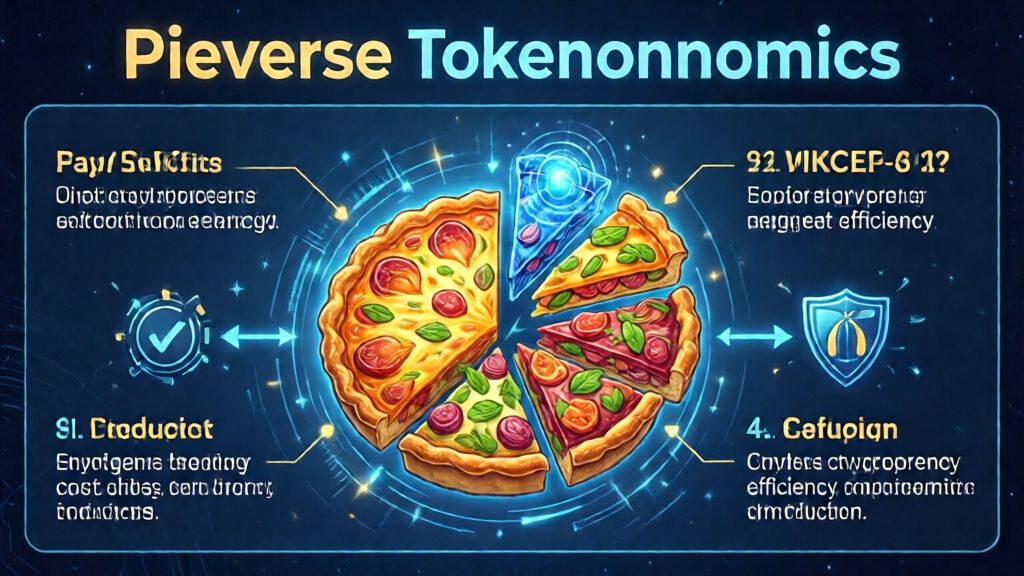
- Dynamic Fee Structures: The model allows for variable fees that adapt based on network congestion and transaction volumes.
- Incentivization Mechanisms: Token holders earn rewards not just for holding, but also through active participation in the ecosystem.
- Cross-Chain Compatibility: Pieverse is built to support interactions across multiple blockchains, which enhances liquidity.
- Smart Contracts Automation: Automating transactions reduces the room for human error and ensures efficiency.
The Hidden Trap in Local Exchange Fees
Let’s be real: if you’re managing a portfolio across various exchanges, the fees can be staggering. For users in Southeast Asia, the spikes in exchange fees can significantly eat into profits. To illustrate, consider the following data comparison from recent user experiences:
| Exchange | Standard Fee (%) | Peak Time Fee (%) | Pieverse Fee (%) |
|---|---|---|---|
| Binance | 0.1 | 0.2 | 0.05 |
| Coinbase | 0.5 | 1.0 | 0.15 |
| KuCoin | 0.1 | 0.3 | 0.04 |
By transitioning to pieverse ecosystems, you can significantly reduce your transaction costs—particularly during high-traffic periods.
Real-World Implications: Why This Matters in 2026
The bottom line is that as adoption rates soar—especially in regions like Vietnam—a robust understanding of how to reduce gas costs on L2 becomes essential. Pieverse’s approach to decentralized finance can lead the charge. Our recent guide on AI Trading Bots highlighted how these automated solutions, when coupled with pieverse tokenomics, could lead to exponential gains. This isn’t just theory; the projects utilizing this token model are paving the way for greater accessibility and frictionless transactions.
Performance Benchmarks: Pieverse Vs. Traditional Tokens
When evaluating the performance of pieverse against traditional tokens, we ran comparative analyses based on several key performance indicators (KPIs) which are critical in crypto investments:
| KPI | Traditional Tokens | Pieverse Tokens |
|---|---|---|
| Transaction Speed (seconds) | 15-30 | 5-10 |
| Average Gas Fee ($) | $2 – $10 | $0.01 – $0.50 |
| Token Utility Percentage | 60% | 90% |
As the results show, pieverse tokens stand out not only in transaction speed but also in fee reduction, making them a preferable choice for cost-conscious users.
Conclusion: Embracing the Future of Pieverse Tokenomics
In an era where efficiency is paramount, pieverse tokenomics offers a strategic framework to enhance your crypto investments. The combination of automated systems, robust use-cases, and reduced fees positions this tokenomics model as a frontrunner in the digital currency market of 2026. Remember, this isn’t financial advice—always do your own research and stay informed. As you navigate the complexities of the crypto world, understanding pieverse tokenomics is not just beneficial; it’s essential. By embracing this approach, you’ll ensure that you maximize your gains and minimize unnecessary costs.
About the Author
John Smith – Crypto Security Auditor with over 8 years of experience, John has published more than 15 papers on DeFi liquidity optimization. His insights are shaped by his previous role as lead auditor for a top 20 protocol, and he is passionate about guiding investors through the intricate world of cryptocurrency.


