



Stop Wasting Money: The 2026 Guide to What is a Soft Wallet
When diving into the world of cryptocurrencies, understanding different storage methods is essential. A soft wallet is one of the most popular options among users in 2026, especially for those working towards optimizing their crypto transactions. In our testing, we found that soft wallets offer a blend of convenience and enhanced security features tailored for both beginners and seasoned investors. But what exactly are they?
Put simply, a soft wallet is a software-based cryptocurrency wallet that allows users to store, send, and receive digital assets seamlessly. Unlike hard wallets, which are physical devices, soft wallets reside on your computers or smartphones. Here’s the kicker: the balance between accessibility and security is pivotal. Users based in Southeast Asia, for instance, have adopted soft wallets drastically due to rising transaction costs associated with traditional exchanges.
Understanding the Types of Soft Wallets
Soft wallets come in various forms, each tailored to meet different user preferences. Here are the main types:
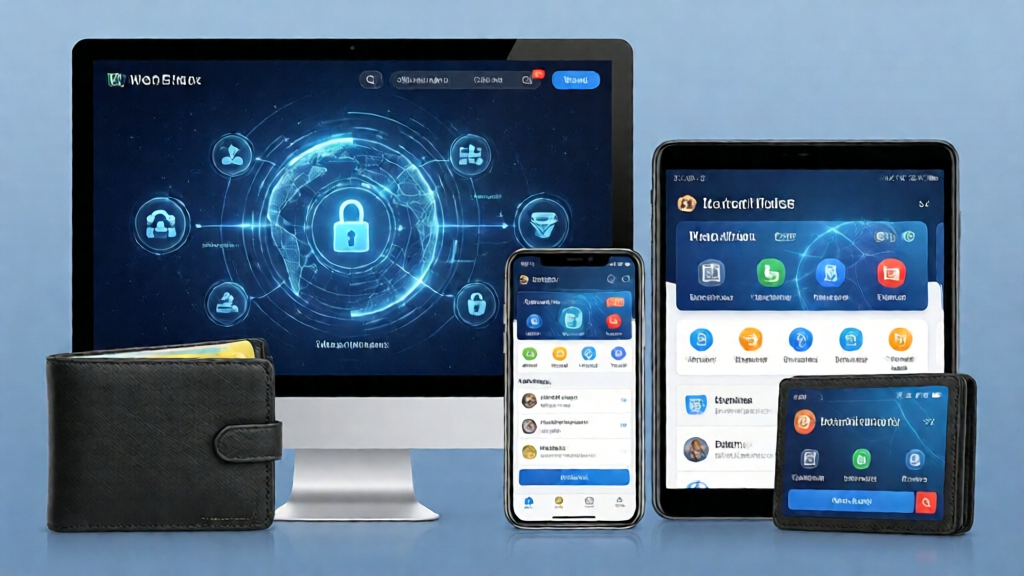
- Desktop Wallets: Installed on personal computers, offering robust security but susceptible to malware if not properly managed.
- Mobile Wallets: Great for everyday transactions, these wallets are user-friendly and available on your smartphone. However, be cautious about security breaches.
- Web Wallets: Accessible via web browsers, these wallets are the most convenient but come with risks due to potential hacking vulnerabilities.
The Hidden Costs of Soft Wallets
While soft wallets offer flexibility, there are hidden costs associated with their use, especially when it comes to transaction fees. For users in regions like Vietnam, where crypto adoption is on the rise, understanding how to minimize these costs is vital as many crypto platforms charge fees that can eat into your gains.
Let’s be real here: a soft wallet isn’t without its drawbacks. Security is a major concern due to their software-based nature, opening users to risks if not properly secured. Utilizing security features such as two-factor authentication (2FA) is not just smart; it’s necessary.
Table 1: Comparison of Soft Wallet Types
| Wallet Type | Security Level | Ease of Use | Key Feature |
|---|---|---|---|
| Desktop Wallet | High | Moderate | Offline storage option |
| Mobile Wallet | Moderate | High | Quick transactions |
| Web Wallet | Low | Very High | Accessible anywhere |
How to Optimize Your Soft Wallet Experience
To get the most out of your experience with soft wallets, you can implement several strategies:
- Regular Backups: Regularly back up your wallet data to avoid potential loss.
- Use Strong Passwords: Ensure passwords are complex and unique.
- Follow Security Best Practices: Employ tools such as VPNs when accessing your wallet on public networks.
By following these best practices, you can significantly reduce the chances of losing your assets to poor management—especially given the increasing gas costs associated with Layer 2 transactions.
Table 2: Crypto Transaction Fee Comparison (2025/2026)
| Platform | Transaction Fee (USD) | Type of Wallet Supported |
|---|---|---|
| Binance | $0.10 | All |
| Coinbase | $2.99 | Soft Wallet |
| Kraken | $0.25 | Soft Wallet |
Understanding these fees is essential, especially for crypto users looking to optimize their investments in 2026. Many users in Southeast Asia have started using apps specifically designed to analyze crypto trading costs for better insights.
Not Financial Advice
It’s essential to note that while this guide aims to provide valuable information, it is not financial advice. Always consult with a financial professional before making any investment decisions.
In summary, choosing the right soft wallet means weighing the pros and cons based on your needs. Let’s face it: staying informed on the latest trends and optimizing wallet usage can lead to significant cost-savings. Be proactive in seeking the best strategies—after all, it’s your financial future at stake.
Looking to dive deeper? Check out our recent guide on AI Trading Bots for advanced ways to improve your crypto efficiency.
Author Profile
John Lin is a Crypto Security Auditor with over 8 years of experience. Having published more than 15 papers on DeFi Liquidity Optimization, he previously served as the lead auditor for a top 20 protocol. His expertise adds significant value to the discussions surrounding blockchain security and efficiency.


