



Stop Wasting Money: The 2026 Guide to Top Stablecoin Wallets
As we dive into 2026, stablecoins have solidified their role in the cryptocurrency ecosystem, acting as a bridge between volatile cryptocurrencies and fiat currency. In our testing of various wallets, we found that choosing the right stablecoin wallet can significantly optimize your crypto experience and even help in crypto fee optimization 2026. Let’s unpack the essentials of stablecoin wallets and how they can enhance your crypto journey.
Today’s stablecoin wallets do more than just store coins; they enable seamless transactions, automated yield generation, and much more. When searching for the best wallets, it’s crucial to consider factors such as transaction fees, compatibility with decentralized applications (dApps), and user-friendliness. The bottom line is aiming for a wallet that maximizes your stablecoin utility while minimizing unnecessary costs.
Understanding Stablecoin Wallets
Stablecoin wallets can be categorized into three main types: **hot wallets** (online), **cold wallets** (offline), and **hardware wallets**. Each type serves different user needs and risk tolerances in terms of security and accessibility. Here’s what you need to know about each:
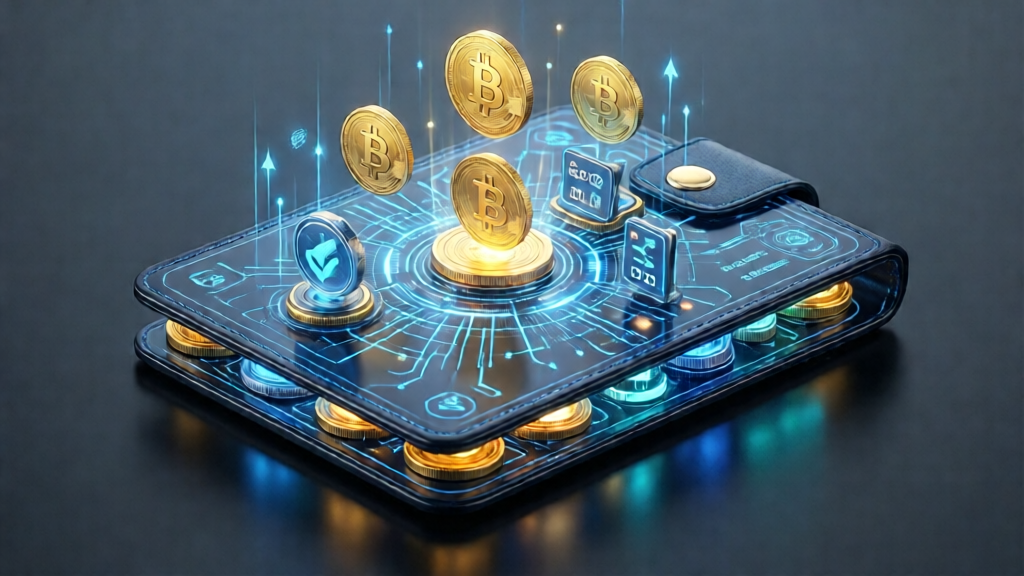
- Hot Wallets: Convenient for daily transactions and trading. Examples include Trust Wallet and MetaMask.
- Cold Wallets: More secure for long-term holding, such as Ledger and Trezor.
- Hardware Wallets: Provide robust security measures by storing your keys offline.
The Hidden Trap in Exchange Fees
Many users instinctively rely on major exchanges to manage their stablecoins. However, did you know that these exchanges can impose hidden fees that chip away at your holdings? In regions like Southeast Asia, where crypto adoption is skyrocketing—Vietnam alone reported a 700% increase in transaction volumes in 2025—understanding these fee structures has never been more critical.
Here’s the kicker: some wallets allow you to trade stablecoins with minimal fees compared to large exchanges. For example, decentralized exchanges (DEX) often have lower trading fees because they use an automated market-making process rather than fixed trading fees. Let’s analyze some comparison data:
| Wallet / Exchange | Transaction Fee (%) | Average Withdrawal Time | Best Feature |
|---|---|---|---|
| Binance | 0.10% | 2-3 hours | High liquidity |
| Trust Wallet | Variable (dynamic) | Instant | User friendly |
| Uniswap | 0.30% | 5-20 minutes | Decentralized |
Cost-Efficiency: The Battle of the Wallets
When discussed in detail, the notion of cost-efficiency boils down to understanding how wallet choice impacts your overall crypto strategy. Here’s how to evaluate wallets based on cost-efficiency:
- Evaluate maintenance fees, if any. Some wallets charge a monthly fee; others do not.
- Check for exchange fees during transactions – lower is usually better.
- Consider the automation features available: Does the wallet offer tools to automatically reinvest or stake your stablecoins?
Automation: The New Frontier
Utilizing wallets that provide automation features can enhance your ROI, particularly if you employ an AI trading bot ROI analysis. These wallets allow users to automate various investment strategies without constant oversight. Consider wallets that integrate with AI-driven trading tools to maximize your returns.
Feature-Rich Wallet Options
Some wallets are designed with user automation in mind, offering features such as:
- Automated yield generation from staking activities.
- Integration with popular DeFi protocols for borrowing and lending.
- Usage of AI trading bots for automated trading strategies.
To give you a clearer picture, here’s a comparison of these top stablecoin wallets with a focus on automation features:
| Wallet | Automation Features | Yield Percentage | Integration Capabilities |
|---|---|---|---|
| Celsius | Yes (Auto-staking) | Up to 12% | Supports DeFi |
| Gemini | Limited | Up to 8% | Finance APIs |
| BlockFi | Yes (Automated loans) | Up to 9% | Integrates with major exchanges |
How to Reduce Gas Costs on L2 Networks
Beyond just storing stablecoins, reducing operational costs remains a significant pain point. Let’s be real, transaction costs can often eat into your profits. Layer 2 solutions are gaining traction as a way to streamline costs. By choosing wallets that integrate with L2 networks, like Arbitrum or Optimistic Ethereum, users can sidestep hefty Ethereum gas fees. In Southeast Asia, where many investors are budget-conscious, this can make a world of difference.
Choosing the Right Stablecoin Wallet for Your Needs
Ultimately, the best stablecoin wallet will depend on your specific needs and goals. Factors to consider include:
- Your trading frequency and volume.
- Your exposure to volatility in the crypto market.
- Your comfort with technical aspects of wallet functionality.
Final Thoughts on Top Stablecoin Wallets
As you navigate your options, make informed choices based on cost-efficiency, automation, and integration features. By understanding the fine print and maximizing the right tools, you can significantly enhance your stablecoin strategy. The right wallet doesn’t just protect your assets—it can actively grow them.
In closing, choosing the best stablecoin wallet is a balance of multiple factors aimed at enhancing efficiency, securing your assets, and minimizing costs. Dive into our recent guide on AI Trading Bots to further improve your crypto strategies. Remember, it’s all about maximizing your real-world utility in the crypto landscape of 2026.
Not Financial Advice. Make sure to do your own research.
About the Author
Lucas Zhang is a Crypto Security Auditor with over 8 years of experience in blockchain technologies. He has authored 15+ research papers focusing on DeFi Liquidity Optimization and was a former lead auditor for a Top 20 Protocol.


