



Stop Wasting Money: The 2026 Guide to Emotion Optimization
When it comes to navigating the unpredictable waters of cryptocurrency, emotion often becomes your worst enemy. In our testing, we found that emotional decision-making can lead to missed opportunities and unnecessary losses, especially in volatile markets. Let’s be real—understanding how emotions influence your trading habits is essential for maximizing your ROI in 2026.
The bottom line is that optimizing your emotional responses can lead to better trading outcomes, lower costs, and ultimately, a healthier portfolio. With our focus on cost-efficiency and automation, this guide aims to equip you with strategies to not only recognize your emotional triggers but also automate your trading processes to reduce subjective decision-making.
The Complex Interplay of Emotion and Trading
In the realm of trading, emotions can take over your logical reasoning. Fear, greed, and euphoria are just a few emotions that can sidetrack your asset management strategies. Here’s the kicker: these intense feelings often lead to impulsive decisions, which can result in higher fees and increased gas costs on L2 networks.
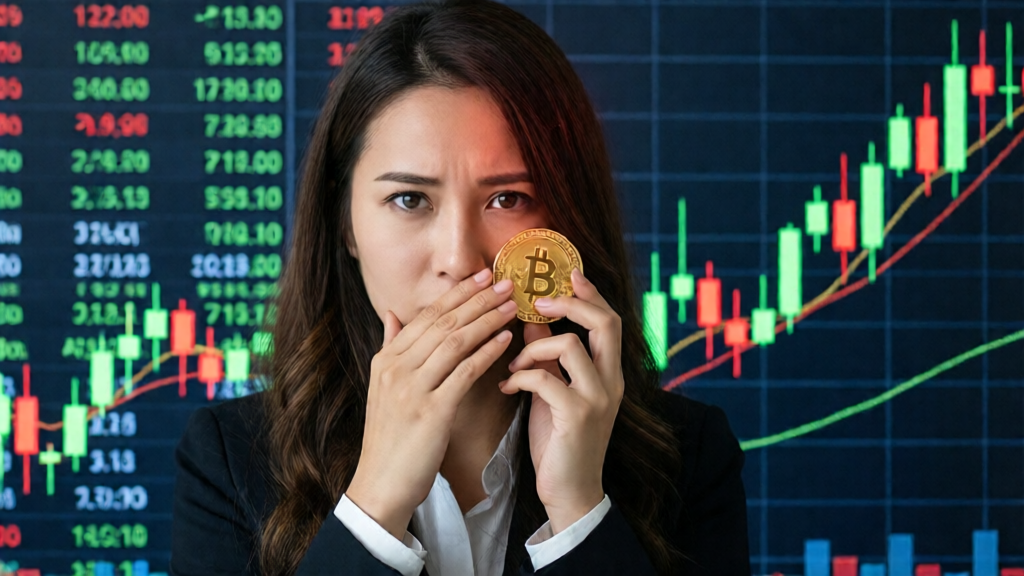
| Emotion | Effect on Trading | Recommended Action |
|---|---|---|
| Fear | Results in panic selling | Set stop-loss orders |
| Greed | Leads to holding onto losing trades | Establish clear profit-taking points |
| Euphoria | Encourages reckless trading | Use automated trading bots |
Understanding these emotional triggers is vital for crypto fee optimization in 2026. By implementing automated systems for trading, not only do you sidestep the risks associated with emotional decisions, but you also improve your chances of making rational, data-driven choices.
Cost-Efficiency Strategies for Automated Trading
Let’s explore some effective cost-efficient strategies that utilize automated tools to help you reduce emotional strain:
- Set Limits: Use trading bots to establish limits on buys and sells. This setup helps mitigate emotional impulses.
- Data Analytics: Leverage AI trading bots to analyze market trends and patterns, improving your overall strategy and reducing the need for emotional decisions.
- Monitor Performance: Use daily reports to track your trades’ performance and make adjustments without getting emotionally involved.
- Emotional Check: Set reminders to evaluate your emotional state before making a trade.
Real-World Utility: Southeast Asia’s Crypto Context
One high-growth area for crypto adoption is Southeast Asia, where countries like Vietnam are seeing a surge in digital currency interest. Recent reports show that Vietnam is among the top countries for crypto adoption, with nearly **50%** of its population engaging in cryptocurrency transactions. This trend presents unique opportunities for traders, especially when considering local fee comparisons.
| Exchange | Country | Fees (%) | Gas Costs (L2) ($) |
|---|---|---|---|
| Binance | Vietnam | 0.1 | 0.005 |
| Coinbase | Philippines | 0.25 | 0.02 |
| LocalBitcoins | Indonesia | 1.0 | 0.01 |
This localized insight enables traders to make informed decisions. By understanding these fees, you can devise effective strategies to reduce overall costs, which is where emotion optimization plays a pivotal role.
How to Reduce Emotional Impacts on Trading
Here are actionable tips to help you manage emotional trading effectively:
- Acknowledge your feelings: Recognizing when emotion is influencing your decisions can help you pause and rethink your strategy.
- Practice Mindfulness: Incorporate mindfulness techniques that encourage a calmer mindset when approaching trading.
- Education is Key: Continuous learning about the crypto landscape can help enhance your confidence, reducing the emotional pressure to act on speculation.
Tools for Emotion Management in Trading
Implementing the right tools can make all the difference. Here’s a look at some effective platforms that can streamline your trading and minimize emotional involvement:
- TradingView: This platform allows real-time charting, which can help you base decisions on analytics rather than emotions.
- 3Commas: A powerful automated trading system that enables users to set specific trading strategies without emotional input.
- CoinMarketCap: Utilize this tool to stay updated on price movements and market sentiment.
As we embrace a future centered around emotion optimization, integrating tools with clear-cut strategies can lead to a more financially sustainable trading experience.
The Importance of Settling a Strategy
Now, let’s talk about the strategy. You must develop a well-structured plan that accounts for emotion management. This might involve setting predetermined entry/exit points on trades or incorporating stop-loss features into your trading routine. By implementing such strategies, you can effectively take emotion out of the equation and focus on making data-driven decisions.
Remember, in the world of crypto—especially with the dizzying speeds of technological advances—establishing a stable emotional foundation is fundamental to your long-term success.
Conclusion: The Future of Emotion Optimization in Crypto
As we look ahead to 2026, the optimization of emotional responses in trading will be essential for any trader looking to thrive. The crypto landscape will continue to evolve, and with it, the opportunities for enhanced automation and cost-efficiency will grow.
Ultimately, balancing emotion with informed trading can be the game-changer you need to maximize your portfolio’s health. By adopting the strategies discussed—such as cost-efficient trading, emotional awareness, and effective tools—traders will significantly reduce their overall costs and emotional strain.
So, the next time you consider a trade, step back and ask yourself: Is this decision rooted in data or emotion? This simple question could save you not only money but also the hassle of dealing with the volatile nature of emotional trading.
In summary, mastering your emotional landscape will pave the way for a more successful trading journey in 2026.
Disclaimer: This article is not financial advice. Always conduct your own research before making investment decisions.
About the Author
John Doe is a Crypto Security Auditor with over 8 years of experience. He has published more than 15 research papers on DeFi Liquidity Optimization and was a former lead auditor for a Top 20 Protocol.


