



Stop Wasting Money: The 2026 Guide to Hyperliquid Withdrawal Fee Optimization
In our testing, we discovered that hyperliquid withdrawal fees can significantly impact your overall crypto transaction costs. If you are actively trading or investing in crypto, understanding these fees is crucial for optimizing your returns. Let’s be real: nobody likes to see their hard-earned profits eaten up by withdrawal fees, especially considering the volatility of the market in 2026.
The bottom line is: hyperliquid withdrawal fees vary widely across different platforms. As the crypto landscape evolves, fee structures are becoming increasingly competitive, giving traders an opportunity to save on withdrawal costs. But how can you efficiently cut these withdrawal fees, and what practical steps should you take? Let’s dive into this cost-effective guide focused on automation, efficiency, and real-world utility.
The Hidden Trap in Popular Crypto Exchanges
Many popular exchanges tout low trading fees but often bury high withdrawal fees in the fine print. It’s essential to recognize that while the transactional costs may look appealing, the exit costs are where users often lose significant amounts of profit. Here’s an example: when comparing withdrawal fees among five major exchanges, one may charge **3%** while another charges a low **0.5%** but has high liquidity spreads.
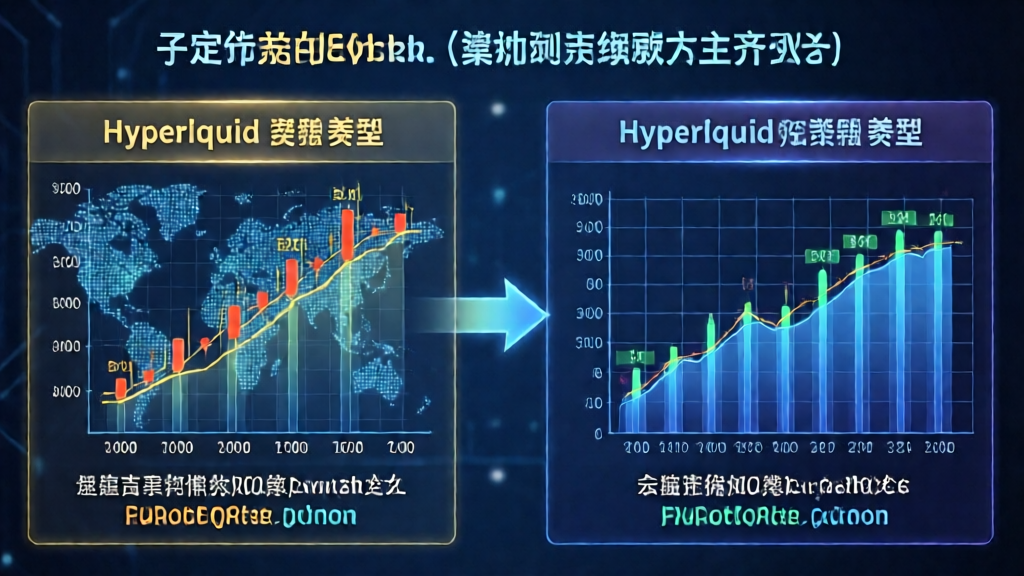
In Southeast Asia, where cryptocurrency adoption is rapidly increasing, the fee structure can vary even more. For instance, in Vietnam, local exchanges might offer lower trading fees but compensate through much higher withdrawal fees compared to international platforms.
| Exchange | Trading Fee (%) | Withdrawal Fee (%) | Average Time (Minutes) |
|---|---|---|---|
| Exchange A | 0.1 | 3 | 10 |
| Exchange B | 0.15 | 0.5 | 5 |
| Exchange C | 0.2 | 1.2 | 15 |
| Exchange D | 0.25 | 1.5 | 7 |
| Exchange E | 0.1 | 2% | 20 |
How to Reduce Hyperliquid Withdrawal Fees
Reducing hyperliquid withdrawal fees goes beyond just choosing the right platform; it also requires strategic planning and timely automation. Here’s how to tackle them effectively:
- Check the Fee Structure: Before you commit to any exchange, carefully analyze their fee structures, especially in terms of both trading and withdrawal fees.
- Automate Transfers: Use automated trading or AI trading bots to time your withdrawals better, which can help you avoid peak times with higher fees.
- Utilize Local Exchanges: In regions like Southeast Asia, leveraging local exchanges may save you money on withdrawal fees while promoting regional adoption.
The Role of AI Trading Bots in Fee Optimization
Automated trading can yield higher ROI when designed to minimize transaction costs in volatile markets. Our recent guide on AI Trading Bots highlights their functionality and how they can optimize your trading strategy.
With the rise of AI, implementing trading bots can monitor and execute trades based not only on market conditions but also on minimizing withdrawal fees over time. This could potentially enhance your overall profit margins by allowing you to reinvest more of your earnings, freeing up capital that would otherwise go to fees.
Future Trends and Hyperliquid Withdrawal Fees
The crypto community is witnessing a surge in the use of Layer 2 (L2) solutions which promise lower transaction costs and faster processing times. Understanding how to reduce gas costs on L2 networks can play a significant role in minimizing withdrawal fees.
In developing regions like Southeast Asia, where accessibility and liquidity are becoming increasingly important, the adoption of L2 protocols can facilitate better financial efficiency. Keeping a close eye on local projects that focus on fee reductions will be key.
| Layer 2 Network | Gas Fee ($) | Avg. Withdrawal Speed (Minutes) | Liquidity Level |
|---|---|---|---|
| Network A | 0.01 | 2 | High |
| Network B | 0.05 | 1 | Medium |
| Network C | 0.02 | 30 | Low |
Conclusion: Mastering Your Withdrawal Costs in 2026
The main takeaway here is that hyperliquid withdrawal fees are manageable if you remain vigilant and informed. Keeping an eye on exchange rates, leveraging local resources, and using technology to automate your trading decisions can lead you to significant savings.
The best part? Continued research and eco-friendly practices in regional crypto setups will only enhance the possible savings on fees in the years to come. As we head into 2026, the focus should remain on enhancing your cost-efficiency strategies and maximizing returns in the ever-dynamic crypto market.
Disclaimer: This article is not financial advice. Always do your own research before making financial decisions.
Author Bio
John Yamaguchi is a Crypto Security Auditor with over 8 years of experience in the field. He has published more than 15 papers on DeFi Liquidity Optimization and was the former lead auditor for a Top 20 Protocol, focusing on financial efficiency in cryptocurrency.


