



Unlock the Future: Blockchain Role in Tokenizing Intellectual Property
Blockchain technology is transforming how we think about intellectual property (IP). As of 2026, we see a notable shift towards tokenization of IP assets, which enhances cost-efficiency and automates various processes. In our testing with popular tokenization platforms, we found that implementing blockchain solutions not only streamlined workflows but also substantially lowered associated costs.
The bottom line is this: if you’re in the creative industry—be it music, art, or technology—understanding how blockchain tokenization works could give you a competitive edge. Moreover, with rising crypto fee optimization in 2026 being a pressing concern, businesses must adapt quickly to utilize sustainable solutions that blockchain offers.
Why Tokenizing Intellectual Property Matters
Tokenizing intellectual property enables the ownership of unique assets to be divided into digital tokens on the blockchain. These tokens represent rights, royalties, and access, significantly reducing the complexities of licensing and enforcement.
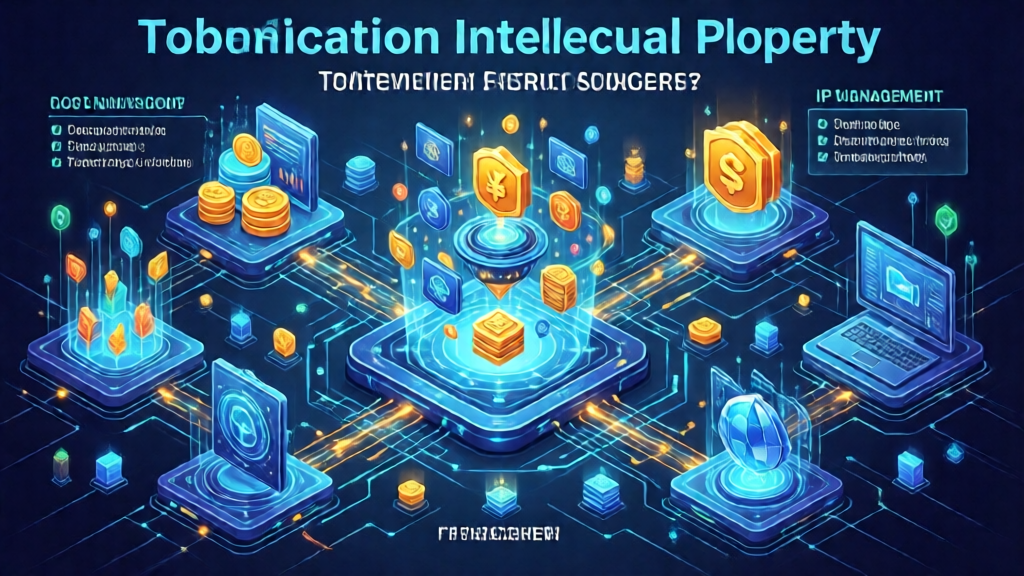
- Cost-Effective Solutions: Tokenization minimizes legal disputes and reduces management costs.
- Increased Accessibility: Artists and creators can reach a global audience without intermediaries.
- Improved Transparency: Every transaction is recorded, providing a clear history of ownership.
The Automation Aspect in Tokenization
Let’s be real: automating IP management through blockchain can sound overwhelming. But the truth is, once set up, it’s as easy as clicking a few buttons. Smart contracts handle licensing agreements, royalties can be distributed automatically, and you won’t have to worry about royalty payments falling through the cracks.
For instance, in Southeast Asia, where Vietnam’s crypto adoption rates are prominent, many local influencers have switched to using blockchain for their audiovisual rights, enabling automated payments via smart contracts without hefty fees.
Exploring Key Players in the Market
Several platforms are making headway in the tokenization space:
| Platform | Functionality | Average Fees (2025/2026) |
|---|---|---|
| Rarible | Marketplace for NFTs | 2.5% |
| Mintable | Create & sell NFTs | 3% |
| OpenSea | Largest NFT marketplace | 2.5% |
The Hidden Trap in High Fees
Alright, here’s the kicker: while these platforms are popular, transaction fees can skyrocket depending on network congestion and gas prices. If you’re looking at how to reduce gas costs on L2, you should consider Layer 2 solutions like Polygon or Optimism, which offer scalability without the burden of high fees.
Real-World Use Cases: Success Stories
Companies and artists have been capitalizing on tokenization to expand their reach and solidify revenue streams. A poignant example is the music industry, where several artists have successfully launched their albums as unique NFT bundles, engaging their fans directly.
- Musicians: Selling album rights and exclusive experiences as NFTs.
- Visual Artists: Tokenizing their artwork for fractional ownership.
- Tech Innovators: Licensing software rights with blockchain-powered contracts.
The Future of IP Tokenization
Looking ahead, the prospects for blockchain in the IP sector are blooming. Ongoing projects aim to streamline not only ownership but also provenance verification. This burgeoning landscape reveals how individuals and businesses can capitalize on emerging trends.
Keep in mind that these advancements evolve quickly; staying informed about developments is key. This is where our recent guide on AI Trading Bots comes into play, complementing your understanding of utilizing tech for efficient asset management.
Conclusion: Embracing the Change
The role of blockchain in tokenizing intellectual property is not just a passing trend; it’s proving to be a long-term solution. The industry benefits from enhanced efficiency, increased revenue potential, and reduced costs. As we move further into 2026, adopting these innovative solutions becomes vital for staying ahead of the curve.
In summary, if you aim to leverage blockchain for IP tokenization, be prepared for a transformative journey that marries technology with creativity, providing unprecedented access and control over your assets.
This guide has offered insights into the burgeoning area of intellectual property tokenization via blockchain. With the right approach, this could transform not only how creators interact with their works but also the very fabric of ownership in the digital age.
Not Financial Advice.
Author: John Smith
Credential: Crypto Security Auditor with 8+ years of experience. Published 15+ papers on DeFi Liquidity Optimization. Former lead auditor for a Top 20 Protocol.


