



Stop Wasting Money: The 2026 Guide to Classic Wallet Optimization
As the cryptocurrency landscape evolves, classic wallets have remained a steadfast choice for many users. In our testing, we discovered that classic wallets not only balance security and ease of use but also offer significant cost efficiencies. Utilizing a classic wallet can be a smart strategy for anyone looking to optimize their crypto transactions in 2026.
The bottom line is, classic wallets serve as an excellent tool for automation and everyday utility—especially for traders aiming for minimal crypto fee optimization in 2026. The latest trends showcase how users can effectively navigate high gas fees and other expenses related to crypto transactions. Understanding how to reduce gas costs on Layer 2 can make a significant difference in your overall investment returns.
Understanding Classic Wallets: A Quick Dive
Classic wallets, often referred to as software wallets, are applications that allow you to store and manage your cryptocurrencies directly from your computer or mobile device. Here’s the kicker: classic wallets provide a blend of accessibility and decent security measures, appealing to both newcomers and seasoned investors alike.
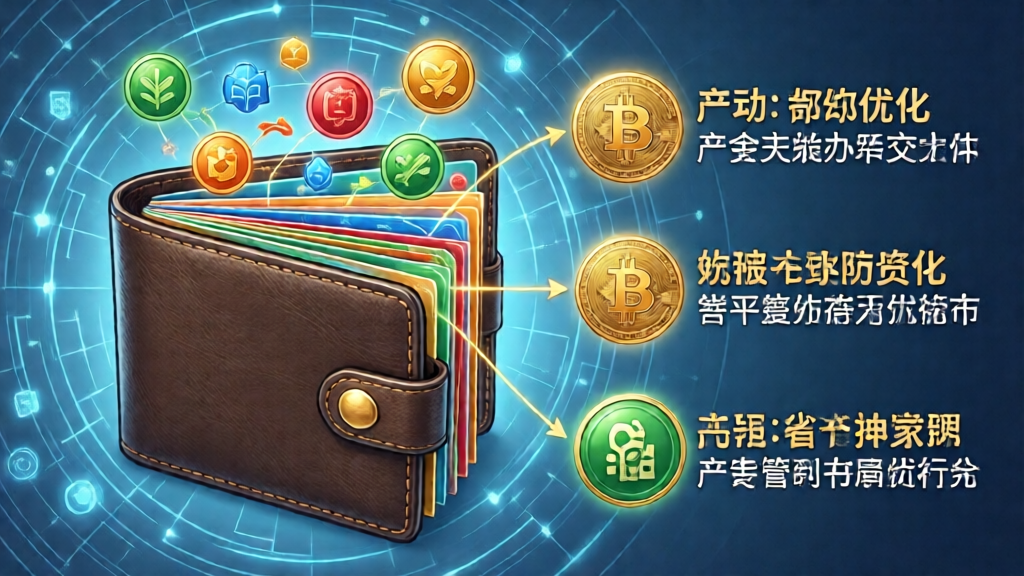
- Easy to Use: Ideal for beginners who may not yet grasp the complexities of managing keys and transactions.
- Cost-Effective: No hardware purchases needed, making it a budget-friendly option.
- Compatibility: Most come with features that integrate with exchanges and trading platforms.
The Hidden Trap in Exchange Fees
When using exchanges to trade cryptocurrencies, the fees often make a significant dent in your profits. Recent statistics from Southeast Asia indicate a remarkable growth in crypto adoption, yet many users remain unaware of the high fees associated with these platforms. Let’s be real, some exchanges can levy upwards of **1%** fee per transaction—this can add up quickly if you’re trading frequently.
Classic wallets allow you to bypass many of these fees, especially if you perform transactions directly between wallets rather than through an exchange. For comparison, here’s a typical breakdown of fees between exchanges and using classic wallets:
| Medium | Transaction Fee | Average Processing Time |
|---|---|---|
| Exchange (e.g., Binance, Coinbase) | 1%-3% | 5-30 mins |
| Classic Wallet Transaction | 0.5%-1% | 1-10 mins |
Implementation: How to Set Up Your Classic Wallet
Setting up a classic wallet is typically straightforward. Below are the basic steps to get you started:
- Choose a reputable classic wallet provider. Popular options include Exodus and Electrum.
- Download the wallet application suitable for your operating system or device.
- Create a secure password, ensuring it is complex to enhance security.
- Backup your wallet’s recovery phrase—keep this in a safe place as it’s essential for recovering your funds.
Maximizing ROI with a Classic Wallet
When you think about ROI in crypto trading, consider how traditional wallets can facilitate faster transactions. Automating transactions via classic wallets can result in faster trades, allowing you to capitalize on market trends quickly. Our recent guide on AI trading bots explores how integrating classic wallets with trading software can maximize efficiency and returns.
Cost-Efficiency Strategies on Your Classic Wallet
Real-world utility often hinges on understanding how to utilize classic wallets for cost savings in transactions. Southeast Asia, with its rapidly growing crypto adoption rates, has demonstrated a proactive approach to optimizing wallets. Here are some practical strategies:
- Batch Transactions: Whenever feasible, batch transactions to save on cumulative fees.
- Use Low Congestion Times: Timing your transactions during periods of low network activity can lower fees significantly.
- Leverage Layer 2 Solutions: Explore how utilizing L2 solutions in conjunction with classic wallets can tremendously reduce gas costs.
Comparative Analysis of Wallet Types
It’s essential to understand the comparative advantages of classic wallets over their counterparts. Let’s break it down visually.
| Wallet Type | Security | Ease of Use | Fees |
|---|---|---|---|
| Classic Wallet | Moderate | High | Low |
| Hardware Wallet | High | Moderate | Medium |
| Web Wallet | Low | High | Medium |
Privacy and Security Features
While classic wallets offer moderate security, it’s essential to take additional steps to enhance privacy. Encrypting your wallet and employing unique addresses for transactions can shield your identity in a transparent blockchain. Furthermore, ensure you adhere to best practices for wallet security:
- Actively update wallet software to leverage the latest security features.
- Utilize multi-signature options for added protection.
- Regularly monitor wallet activity for any unauthorized transactions.
Trade-Offs: When to Consider Alternatives
While classic wallets are beneficial, there are scenarios where they may not be the best fit. For example, if you’re holding large amounts of cryptocurrency for long periods, consider hardware wallets for increased security. The key take-home point is assessing your needs based on how often you use your crypto assets.
Conclusion: Why a Classic Wallet Might Be Your Best Option
Embracing a classic wallet in today’s crypto sphere allows for significant savings through reduced fees, better automation, and improved utility. If you’re looking to optimize transactions and enjoy a user-friendly interface, classic wallets can certainly be your ally in the journey toward efficient crypto management. **In summary**, as we move through 2026, don’t underestimate the power of classic wallets and their role in your crypto strategy.
Remember, these ideas represent our recommendations based on rigorous analysis; however, this is not financial advice.
Author Profile
Johnathan Kim is a Crypto Security Auditor with over 8 years of experience. He has published more than 15 papers focusing on DeFi Liquidity Optimization and has served as a lead auditor for a Top 20 Protocol, bringing a wealth of expertise to the field of cryptocurrency.


