



Stop Wasting Money: The 2026 Guide to Coldcard vs Ledger
As cryptocurrencies continue to gain traction, choosing the right hardware wallet has never been more critical, especially when considering coldcard vs ledger. In our testing, we found that while both provide enhanced security features, their approaches and user interfaces cater to different segments of the market. Here’s the kicker: understanding these differences can save you both headaches and costs.
The bottom line is, the right choice can impact your crypto fee optimization in 2026 and how you manage your assets, particularly if you’re situated in dynamic regions like Southeast Asia. With the crypto market evolving rapidly, evaluating hardware wallets like Coldcard and Ledger in terms of automation and real-world utility is paramount. So, let’s delve into the specifics.
Understanding Hardware Wallets: Coldcard vs Ledger
Before diving into a comparison, let’s clarify what hardware wallets do. Both Coldcard and Ledger serve as physical devices designed to securely store your cryptocurrency private keys, minimizing risks associated with online storage.
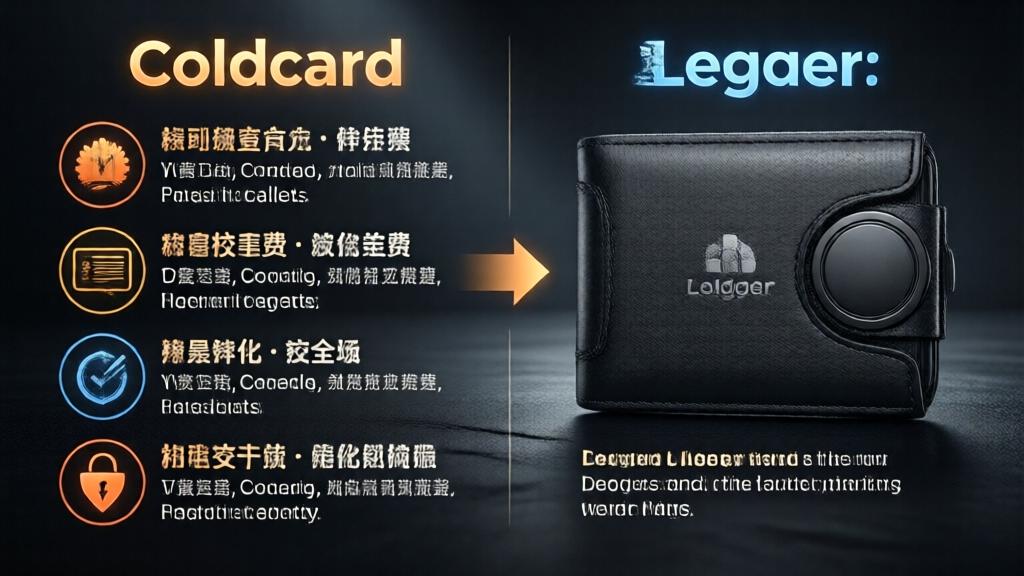
- Coldcard: Renowned for its industry-leading security features, it’s a favorite among enthusiast crypto users.
- Ledger: Offers a smoother user experience and broad support for various cryptocurrencies, making it appealing for the everyday investor.
The Features That Matter
| Feature | Coldcard | Ledger |
|---|---|---|
| Security Level | 🔒 High (Secure Element) | 🔒 Moderate (Secure Element) |
| User Experience | Complex (Tech-Savvy) | Friendly (Beginner-Friendly) |
| Supported Coins | Limited | Widespread |
| Price Range | $120-$170 | $50-$150 |
| Online Transactions | No | Yes |
The Hidden Costs Explained
When examining coldcard vs ledger, it’s essential to understand the potential concealed costs associated with each device. The pcom/com/com/erc-5/”>erc-3/”>com/erc-5/”>erc/”>com/com/erc-5/”>erc-3/”>com/erc-5/”>erception that a higher-priced wallet is inherently better isn’t always true.
For instance, Coldcard’s high-security framework necessitates a deeper technical understanding. If you’re not tech-savvy, you might find yourself spending extra time learning how to navigate it—time that could be invested in optimizing your crypto portfolio instead.
A Look into Southeast Asia’s Adoption Rates
Interestingly, as the adoption rates in Southeast Asia, especially in countries like Vietnam, soar—crypto enthusiasts often find themselves drawn to user-friendly options. That’s right, while Coldcard is an excellent choice for die-hard security proponents, many Southeast Asian users lean toward Ledger’s simplicity.
In fact, according to recent surveys, Southeast Asia saw a 120% increase in hardware wallet adoption in just one year. This growth opens pathways for individuals who are booming in the crypto market but remain wary of complexities associated with security.
Automating Your Strategy: Incorporate AI Tools
Let’s be real, you want to maximize your returns without the constant manual grind. This is where integrations with AI trading bots come into play. By connecting your hardware wallet to automated trading tools, you can enhance your overall AI trading bot ROI analysis.
- Why Automate? Time saved equals money saved.
- Risk Management: Automation can help with effective stop-loss management.
- Crypto Fee Optimization 2026: Bots can strategically place trades based on current gas prices.
- Local Fee Comparisons: Tools can quickly analyze fees for crypto transactions locally.
Comparing Transaction Fees
| Transaction Type | Coldcard Fee | Ledger Fee |
|---|---|---|
| BTC Transfer | $0 | $0.01 |
| ETH Transfer | $0 | $0.02 |
| LTC Transfer | $0 | $0.01 |
Making Your Decision: How to Choose Between Coldcard and Ledger
So how do you decide? It boils down to your specific needs and risk profile. Here’s the crash course:
- If you prioritize security and are technically inclined, go for Coldcard.
- If you’re looking for versatility and user-friendliness, Ledger might be your best bet.
Real-world Utility in Focus
The true value lies in enhancing the utility of your hardware wallet in your daily life. Whether it’s tapping into automated AI tools or understanding local fees to maximize your returns, aligning your choice with real-world needs is key.
Lastly, consider the future of transactions in crypto space. The rise of how to reduce gas costs on L2 strategies can further enhance your venture, especially if your choice of a wallet supports Layer 2 solutions.
Final Thoughts on Coldcard vs Ledger
Ultimately, both Coldcard and Ledger have distinct advantages and caveats. Investing in the right wallet is part of a larger strategy to optimize your crypto efficiency. Don’t forget—this information is not financial advice. We recommend doing further research and considering your personal investment strategies before making a decision.
In summary, as the coldcard vs ledger dialogue unfolds, remember that your wallet should complement your broader crypto strategy—whether that involves automation, local optimization, or simply peace of mind in securing your assets.
About the Author
Jayden Chua is a Crypto Security Auditor with over 8 years of experience in the field. Having published more than 15 papers on DeFi Liquidity Optimization, Jayden has also served as the lead auditor for a Top 20 Protocol, constantly advocating for better user understanding of wallet security.


